Red Apple: The Full-Color SVG Font for Bold, Playful Designs
A Visual Feast: Understanding the Red Apple Typeface
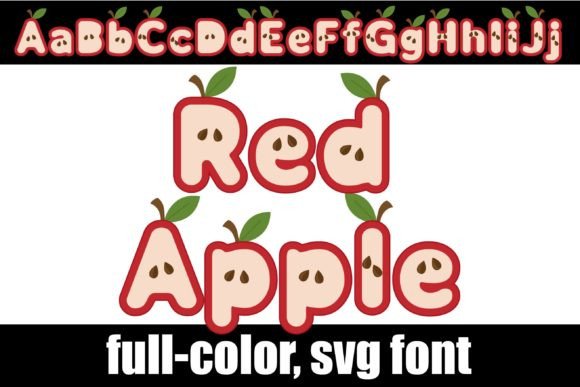
Imagine a typeface that isn't just a shape, but a texture, a color, and a feeling all at once. That's the promise of Red Apple. This isn't your standard premium font. It's an OpenType full-color (SVG) font, meaning each letter is rendered as a detailed, scalable vector graphic that looks like a crisp, juicy, cut red apple. The visual personality is immediate: playful, organic, and bursting with charm. It carries a sense of whimsy and natural appeal, perfect for projects that need to feel approachable, festive, or delightfully unique. The standard set gives you that iconic red, but an alt case accessed through your system's character map unlocks a palette of additional colors, offering surprising versatility from a single creative asset.
Where This Creative Font Truly Shines
The strength of a font like Red Apple lies in its specificity. It’s a display font first and foremost, designed for impact in headlines, logos, and short bursts of text. It would be overwhelming as body copy, but for a logo design for a farm-to-table restaurant, a bakery's branding, or a children's educational app, it's instantly memorable. Think of it for seasonal marketing materials—autumn harvest campaigns, back-to-school promotions, or holiday gift tags. In packaging design, it could grace the label of a gourmet jam or a line of organic snacks, communicating artisanal quality at a glance. For social media graphics, a single word set in Red Apple can stop the scroll, adding a pop of color and personality to a promotional post or an Instagram story. Its vector-based nature means it scales perfectly for everything from a tiny favicon to a large-format print banner without any loss of quality.
Practical Pairings and Project Considerations
Using a creative font like this effectively requires a thoughtful approach. Its strong visual character means it pairs best with something simple and understated. A clean sans serif font for body text provides a perfect counterbalance, ensuring readability while letting the Red Apple headline do the talking. A simple, elegant serif font could also work for a more classic, editorial feel in a cookbook layout. Avoid pairing it with other ornate script fonts or handwritten fonts, as they will compete for attention and create visual chaos.
When evaluating if Red Apple is the right fit, consider your project's tone. Is it playful, natural, or festive? If so, it's a strong candidate. If the goal is sleek, corporate, or minimalist, this typeface will likely feel out of place. Always test it in context. Mock up your design to see how the colors interact with your background and how the overall hierarchy feels. Does the headline command attention without shouting? Does it support the message or distract from it? This testing phase is crucial for any design asset, but especially for one with such a distinct presence.
From a technical standpoint, remember that full-color SVG fonts have specific requirements. They are installed like any standard .otf font—via FontBook on Mac or your font manager on Windows. However, they will only display their colors in compatible software. Adobe Illustrator, Photoshop, InDesign, Silhouette Studio, QuarkXPress, and Inkscape are among the programs that currently support them. In non-supporting applications, the font will render as a solid black outline. Even in compatible programs, the font preview window might show it as black; you'll know it's working when you type and see the full color on your canvas. This is a key point for workflow efficiency—design within a compatible environment from the start.
Beyond Aesthetics: Impact on Brand and Audience
Choosing a font is a strategic decision. The Red Apple font directly influences brand perception. It signals creativity, attention to detail, and a willingness to embrace modern typography trends. For a small business owner, it can be a cornerstone of a memorable brand identity, helping them stand out in a crowded market. For a blogger or publisher, it adds a layer of professional polish to editorial design or book covers. Consistent use of such a distinctive font aids in recognition, but it must be used judiciously to maintain professionalism. Overuse can dilute its impact and make a brand feel gimmicky. The goal is to enhance audience engagement through delight and clarity, not confusion.
When sourcing this or any commercial font, always review the licensing. Ensure the license covers your intended use—whether for client work, merchandise, or digital products. A reputable foundry or marketplace will provide clear terms. While free fonts can be tempting, a premium font like Red Apple often comes with superior design, more extensive character sets, reliable support, and clear licensing, which are invaluable for professional and commercial projects.
In the end, Red Apple is more than a novelty. It's a specialized tool in a designer's toolkit, perfect for injecting a specific, vibrant energy into a project. Used with intention and paired wisely, it can transform a simple headline into a captivating visual statement that resonates with audiences and strengthens a brand's unique voice.